Marine open policy vs specific voyage policy
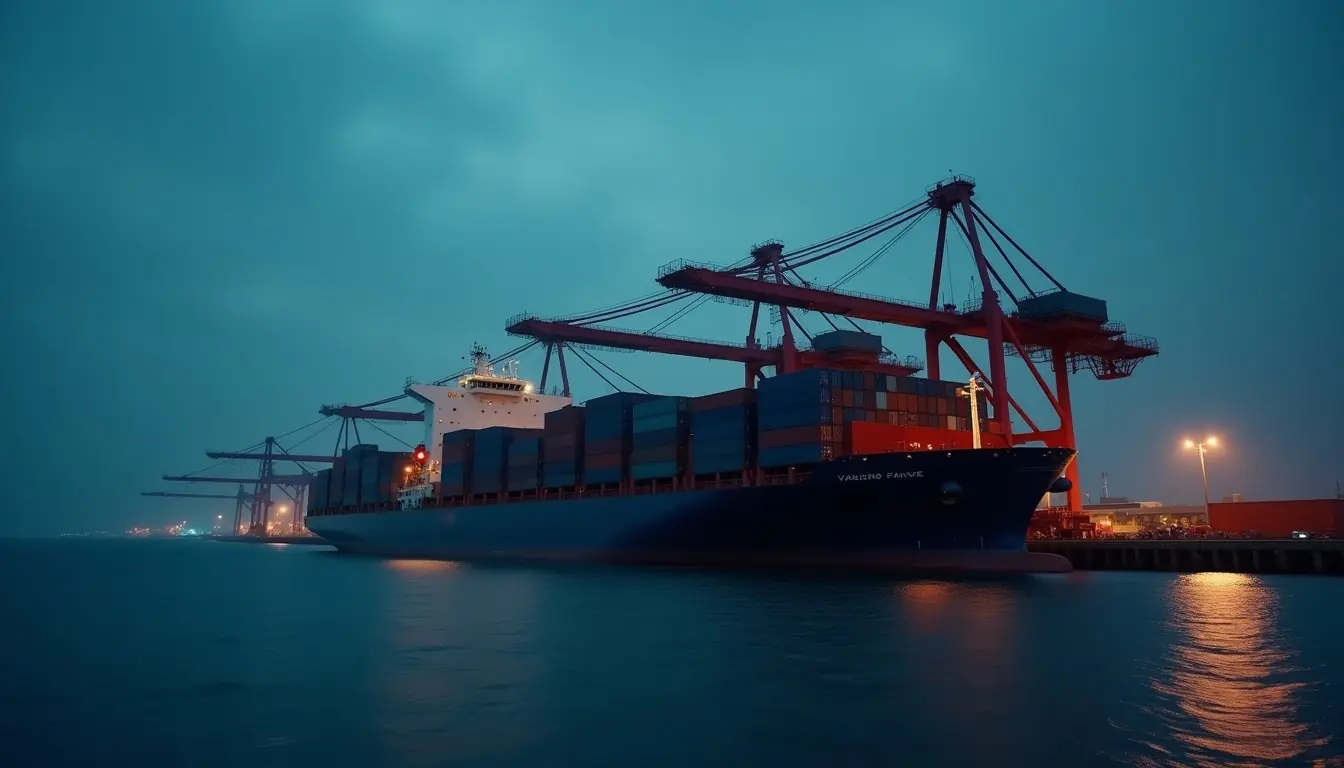
A marine open policy covers all shipments over time, while a specific voyage policy covers a single shipment or voyage, making the choice between them critical for business owners who ship goods regularly.
- Marine open policies are ideal for businesses with high volume shipments.
- Specific voyage policies are suitable for one-time or occasional shipments.
- The level of coverage differs significantly between these two policy types.
For an Indian business owner who ships goods regularly, the choice between a marine open policy and a specific voyage policy can be a costly one if they get it wrong. A wrong choice can leave them with significant financial losses in the event of an accident or damage to their goods. The difference between these two types of policies can be the difference between a small claim and a huge financial burden. We see this happen often when a business owner assumes that a specific voyage policy is enough to cover all their shipping needs.
Why a marine open policy suits frequent shippers
A marine open policy is a type of insurance that provides coverage for all shipments made by a business over a certain period of time. This type of policy is ideal for businesses that have a high volume of shipments and need to ensure that all their goods are covered, regardless of the route or mode of transport. On the other hand, a specific voyage policy provides coverage for a single shipment or a specific voyage. This type of policy is ideal for businesses that only ship goods occasionally or have a one-time shipment that needs to be insured.
The practical coverage gap between policy types
The single most important practical difference between these two types of policies is the level of coverage they provide. A marine open policy provides blanket coverage for all shipments, while a specific voyage policy only provides coverage for a specific shipment. This means that if a business has a marine open policy, they do not need to declare each shipment individually, and all their shipments are automatically covered. On the other hand, if a business has a specific voyage policy, they need to declare each shipment individually and pay a separate premium for each one.
We believe that a marine open policy is the right answer for businesses that have a high volume of shipments. This type of policy provides peace of mind and ensures that all shipments are covered, regardless of the route or mode of transport. For example, a business that imports goods from China on a regular basis would benefit from a marine open policy, as it would provide coverage for all their shipments without the need to declare each one individually.
When a specific voyage policy fits occasional shipments
On the other hand, a specific voyage policy is the right answer for businesses that only ship goods occasionally. This type of policy is ideal for businesses that have a one-time shipment that needs to be insured, such as a business that is shipping a large piece of equipment to a customer. In this case, a specific voyage policy would provide the necessary coverage for the shipment without the need for a long-term policy.
Many business owners make the mistake of assuming that a specific voyage policy is enough to cover all their shipping needs. This can be a costly mistake, as it can leave them with significant financial losses in the event of an accident or damage to their goods. For example, if a business has a specific voyage policy for a single shipment, but they have other shipments that are not covered, they may be left with significant financial losses if one of those shipments is damaged or lost.
The cost of getting it wrong can be significant. If a business does not have the right type of policy, they may be left with financial losses that can be devastating. For example, if a business has a shipment that is worth several lakhs of rupees, and it is damaged or lost during transit, the business may be left with significant financial losses if they do not have the right type of policy.
In some cases, a business may need both a marine open policy and a specific voyage policy. For example, a business that has a high volume of shipments, but also has a one-time shipment that needs to be insured, may need both types of policies. In this case, the marine open policy would provide blanket coverage for all their regular shipments, while the specific voyage policy would provide coverage for the one-time shipment.
How IRDAI rules shape marine insurance
The IRDAI regulates the insurance industry in India and provides guidelines for marine insurance policies.
Ultimately, the choice between a marine open policy and a specific voyage policy depends on the specific needs of the business. By considering the level of coverage they need, the frequency of their shipments, and the terms and conditions of each policy, business owners can make an informed decision and ensure that they are getting the right type of policy for their needs.
The claims process that determines payout speed
It is also important to consider the claims process when choosing between a marine open policy and a specific voyage policy. Business owners should consider how easy it is to make a claim, what documentation is required, and how long it takes to settle a claim. This will help them choose a policy that provides the necessary coverage and support in the event of a claim.
By taking the time to consider their options and choose the right type of policy, business owners can ensure that they are protected against financial losses and can focus on growing their business. We believe that a marine open policy is the right answer for businesses that have a high volume of shipments, while a specific voyage policy is the right answer for businesses that only ship goods occasionally.
In the event of a claim, business owners should contact their insurance provider as soon as possible to report the incident and initiate the claims process. They should also keep detailed records of the shipment, including the invoice, packing list, and shipping documents, as these will be required to support the claim. By following the claims process and providing the necessary documentation, business owners can ensure that their claim is settled quickly and efficiently.
By choosing the right type of policy and following the claims process, business owners can minimize their financial losses and ensure that they are protected against unforeseen events. We recommend that business owners review their insurance policies regularly to ensure that they are still meeting their needs and providing the necessary coverage for their shipments.
In some cases, business owners may need to consider additional coverage options, such as war risk coverage or strike risk coverage, depending on the route and mode of transport. These types of coverage can provide additional protection against specific risks and can be added to a marine open policy or specific voyage policy. By considering these additional coverage options, business owners can ensure that they are fully protected against all potential risks.
Overall, the choice between a marine open policy and a specific voyage policy depends on the specific needs of the business. By considering the level of coverage they need, the frequency of their shipments, and the terms and conditions of each policy, business owners can make an informed decision and ensure that they are getting the right type of policy for their needs.
| Policy Type | Coverage | Suitability |
|---|---|---|
| Marine Open Policy | All shipments over time | High volume shipments |
| Specific Voyage Policy | Single shipment or voyage | One-time or occasional shipments |
| Marine Open Policy | Blanket coverage, reduced administrative burden | Frequent importers or exporters |
| Specific Voyage Policy | Individual declaration and premium payment required | Businesses with rare or one-time shipments |
Experienced insurance claims handlers know that a marine open policy can simplify the claims process for businesses with frequent shipments, reducing administrative burdens.
Frequently asked questions
What is marine open policy
A marine open policy provides coverage for all shipments made by a business over a certain period of time.
How does specific voyage policy work
A specific voyage policy provides coverage for a single shipment or a specific voyage, requiring individual declaration and premium payment.
Kya marine open policy sabhi shipment ke liye upyukt hai
Haan, marine open policy sabhi shipment ke liye upyukt hai, jo ek nishchit samay avdhi ke dauran kiye jate hain.
What are the benefits of marine open policy
The benefits of a marine open policy include blanket coverage for all shipments and reduced administrative burdens.
How to choose between marine open and specific voyage policy
Businesses should choose a marine open policy if they have a high volume of shipments, and a specific voyage policy if they only ship goods occasionally.
Get a free written policy review at rakshitinsurance.com/#policy-review or WhatsApp +91 92514 56334.
Marine cargo insurance · Marine cargo calculator · Free policy review · All insurance calculators
Watch: 2 short videos on this topic
From Pit to Port, a video series in easy English and Hindi on marble, granite and marine cover. Under 30 seconds each.
Rakshit Financial Services is an IRDAI-registered insurance broker with offices in Udaipur, Jaipur and Mumbai. This article is general information only and is not insurance advice or a solicitation to purchase. Insurance is the subject matter of solicitation. Please read the policy wording, benefits, exclusions and terms carefully before concluding a sale. Cover and eligibility are subject to insurer underwriting.
WhatsApp · LinkedIn · X · Copy link
Business Interruption Insurance in India · Inland Transit Insurance for Indian Cargo · Transport & Fleet Operators Insurance in India · Cyber Insurance in India: What It Actually Pays
How marine cargo insurance premium is calculated
How to file a marine cargo claim
What is marine cargo insurance and what does it cover
Why Indian fire claims are often reduced by the average clause
How to claim on a contractors all risk policy
Business interruption cover for a Rajasthan factory