How marine cargo insurance premium is calculated
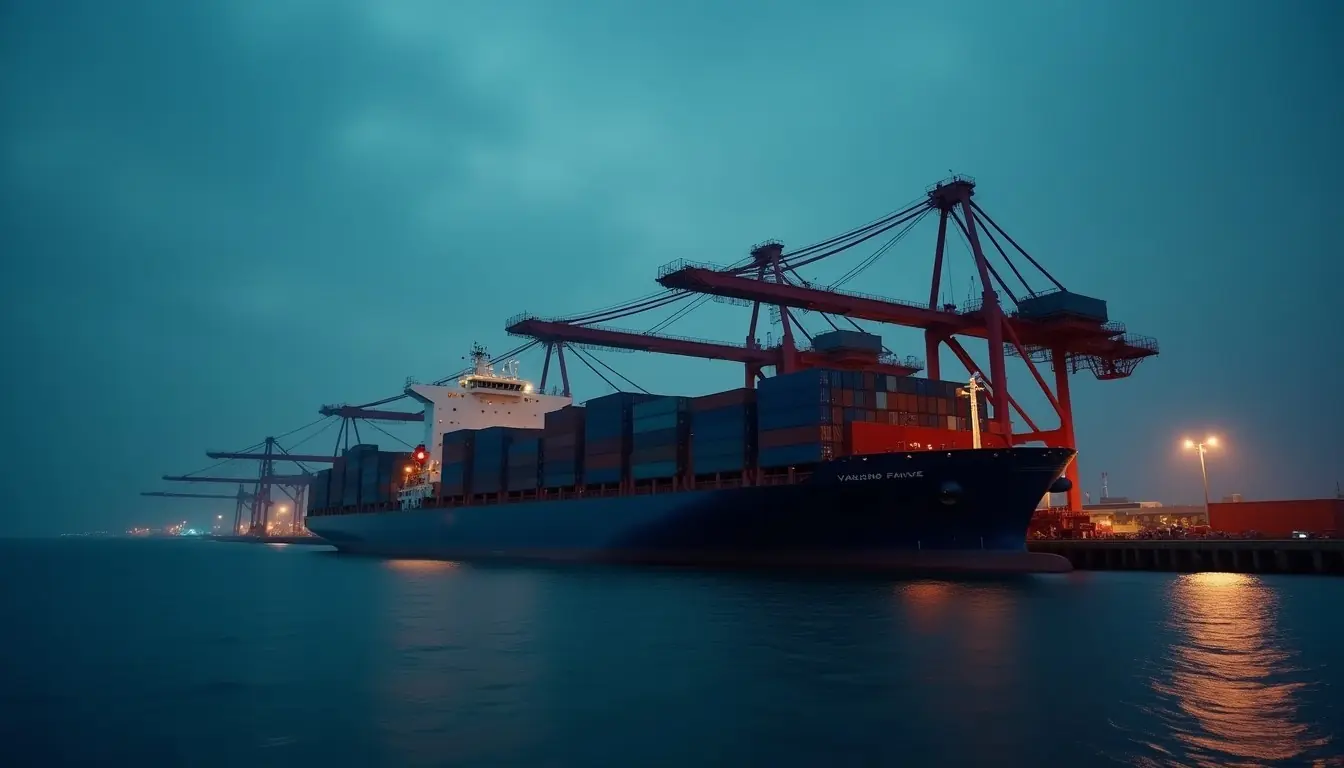
Marine cargo insurance premium is calculated by weighing the value, type, and packaging of goods, the chosen transport mode, route risk, and the shipper’s claim history. Underwriters then adjust the base rate with coverage level, deductible, and optional coverages like war or strike risk, balancing risk and cost for the policyholder.
- Premiums rise with higher cargo value and hazardous goods.
- Choosing reputable carriers and safer routes can lower rates.
- Higher deductibles reduce premium but increase out‑of‑pocket risk.
Marine cargo insurance premiums are driven by several key factors that underwriters consider when assessing the risk of a shipment. The type of goods being transported is a major factor, as certain commodities are more susceptible to damage or loss than others. The mode of transportation, whether by sea, air, or land, also plays a significant role in determining the premium, as each mode carries its own unique set of risks. Additionally, the route taken and the ports of call can impact the premium, as some routes and ports are considered higher risk than others. The value of the goods being transported is also a critical factor, as higher value shipments typically require higher premiums.
Packaging and Storage Influence Premiums
The packaging and storage of the goods during transportation are also important considerations, as improper packaging or storage can increase the risk of damage or loss. The underwriter will also consider the security measures in place to protect the shipment, such as the use of sealed containers or armed guards. The experience and reputation of the shipping company and its operators are also taken into account, as a company with a history of safe and successful deliveries will typically be viewed as lower risk. The underwriter will also review the insurance history of the shipper, including any past claims or losses, to assess the level of risk.
The level of coverage required by the shipper will also impact the premium, as higher levels of coverage will typically require higher premiums. The deductible, or excess, chosen by the shipper will also affect the premium, as a higher deductible will typically result in a lower premium. Shippers can influence their premium by taking steps to mitigate risks, such as using secure packaging and storage, choosing a reputable shipping company, and selecting a route with a lower risk profile. They can also consider purchasing additional coverage options, such as war risk or strike risk, to provide extra protection for their shipment.
Choosing Coverage Levels Affects Cost
It is essential for shippers to carefully consider their insurance options and choose a policy that provides adequate coverage for their specific needs. A false economy can be to opt for a cheaper policy that provides inadequate coverage, as this can leave the shipper exposed to significant financial losses in the event of a claim. Shippers should also be wary of policies with high deductibles or exclusions, as these can leave them with significant out-of-pocket expenses in the event of a loss. Shippers should consult with a licensed insurance advisor.
Shippers should also be aware of the different types of marine cargo insurance policies available, including all-risk policies and named-peril policies. All-risk policies provide coverage for all risks of loss or damage, unless specifically excluded, while named-peril policies only provide coverage for specific named perils, such as fire or theft. The type of policy chosen will depend on the specific needs of the shipper and the level of risk they are willing to accept. Shippers should carefully review their policy documents to ensure they understand what is covered and what is excluded.
Additional Factors Shape Underwriter Decisions
In addition to the factors mentioned above, underwriters may also consider other factors, such as the shipper's creditworthiness and their history of paying premiums on time. The underwriter may also review the shipper's compliance with regulatory requirements, such as customs and tax regulations. Shippers can influence their premium by maintaining a good credit history and complying with all relevant regulations. They can also consider working with a reputable insurance broker or advisor to help them navigate the complex world of marine cargo insurance.
The underwriter's assessment of the risk will ultimately determine the premium, and shippers should be prepared to provide detailed information about their shipment and their business to support their insurance application. This may include providing documentation, such as commercial invoices and packing lists, as well as information about their shipping history and claims experience. By providing accurate and complete information, shippers can help ensure they receive a fair and competitive premium for their marine cargo insurance.
Policy Terms Drive Premium Variability
Shippers should also be aware that marine cargo insurance premiums can vary depending on the specific terms and conditions of the policy. Shippers should consult with a licensed insurance advisor. The advisor can help them navigate the complex world of marine cargo insurance and ensure they receive a policy that meets their specific needs and provides adequate coverage for their shipment.
Marine cargo insurance is a complex and specialized type of insurance, and shippers should seek the advice of a qualified insurance professional to ensure they receive the best possible coverage for their shipment.
Frequently asked questions
How is the base premium rate determined for marine cargo?
The base rate starts with the cargo’s declared value, then the underwriter applies a per‑thousand‑value rate that reflects the commodity type, packaging quality, and route risk. Adjustments follow for carrier safety record and chosen deductible.
What impact does a higher deductible have on the premium?
A higher deductible reduces the insurer’s exposure, so the premium drops proportionally. However, the shipper must pay the full amount up to the deductible before the insurer pays, so the trade‑off is higher out‑of‑pocket risk.
Why do war and strike coverages increase the premium?
War and strike coverages add political and labor risk layers that are not covered by standard marine policies. Underwriters charge extra because these events can cause sudden, large losses that are hard to predict.
Kya packaging standards se premium kam hota hai?
Yes, secure and compliant packaging lowers the likelihood of damage, which underwriters view as lower risk. This can lead to a reduced rate or a better risk class for future shipments.
How does the carrier’s safety record affect the premium?
Carriers with a strong safety record and few past claims are seen as lower risk. Underwriters reward them with lower rates, while carriers with frequent incidents face higher premiums to compensate for the increased probability of loss.
Get a free written policy review at rakshitinsurance.com/#policy-review or WhatsApp +91 92514 56334.
Marine cargo insurance · Which marine clause your cargo is on · Marine cargo calculator · Free policy review
Watch: 3 short videos on this topic
From Pit to Port, a video series in easy English and Hindi on marble, granite and marine cover. Under 30 seconds each.

Rakshit Financial Services is an IRDAI-registered insurance broker with offices in Udaipur, Jaipur and Mumbai. This article is general information only and is not insurance advice or a solicitation to purchase. Insurance is the subject matter of solicitation. Please read the policy wording, benefits, exclusions and terms carefully before concluding a sale. Cover and eligibility are subject to insurer underwriting.
Tax benefits are subject to change under prevailing tax laws. Please consult your tax advisor.
WhatsApp · LinkedIn · X · Copy link
Transport & Fleet Operators Insurance in India · Business Interruption Insurance in India · Cyber Insurance in India: What It Actually Pays · Inland Transit Insurance for Indian Cargo
How to file a marine cargo claim
What is marine cargo insurance and what does it cover
How deductibles and excess reduce your premium
Why Indian fire claims are often reduced by the average clause
How to claim on a contractors all risk policy
Business interruption cover for a Rajasthan factory