What underwriters look at in a warehouse risk
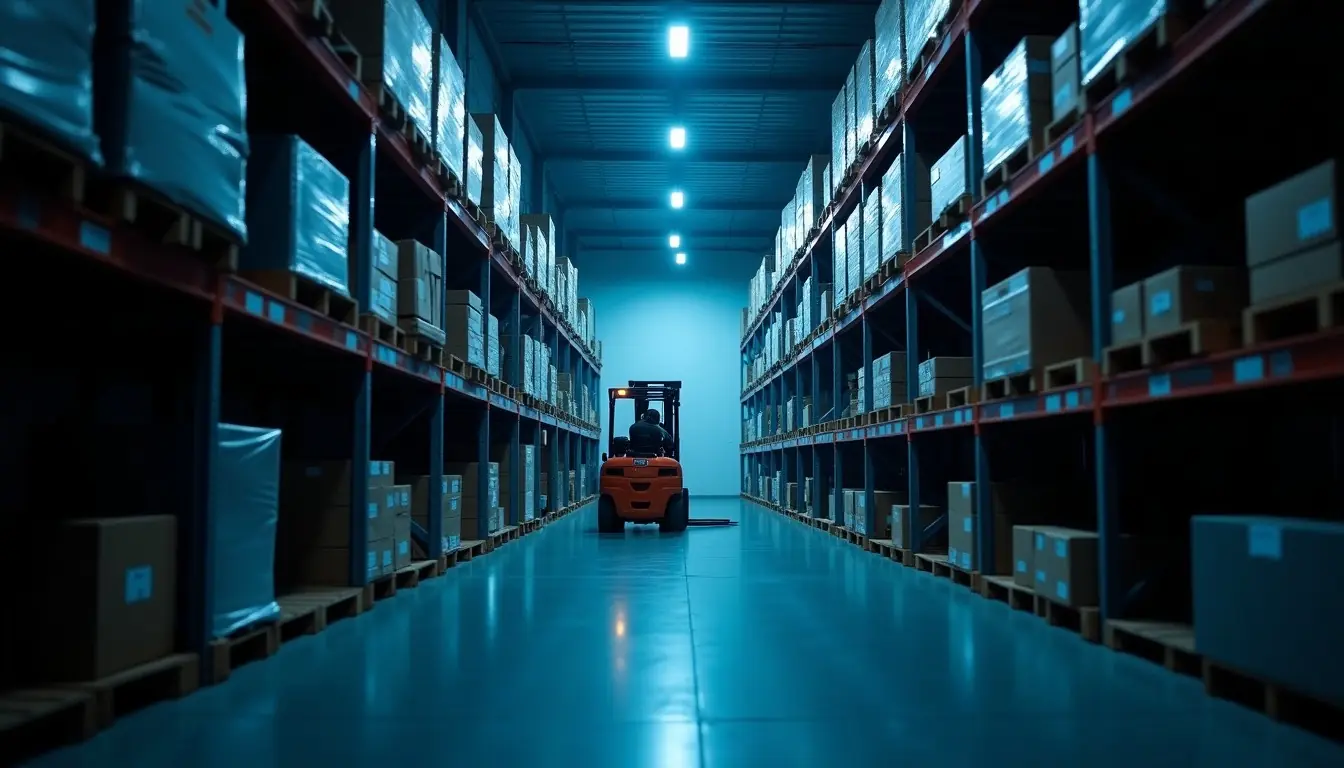
Underwriters assess warehouse risk by examining inventory value and type, fire‑suppression systems, location hazards, building construction and age, and security measures. Gaps between high‑value goods and weak safeguards raise premiums, while strong fire controls, flood‑safe sites and modern structures lower the cost of coverage.
- High‑value or hazardous stock increases the loss potential and premium.
- Modern construction with automatic sprinklers is rated better than old brick and timber structures.
- Proximity to fire services and flood‑free zones reduces the insurer’s exposure.
Warehouse risk premiums are driven by the exact way an underwriter measures the chance of loss, not by a vague “price tag” you see on a quote.
How Inventory Characteristics Shape Pricing
If a fire, theft or structural failure wipes out the inventory you store, the loss can cripple cash flow, damage supplier relationships and even trigger legal penalties for breach of contract. That is why every element the underwriter examines matters: each factor either adds to the probability of a claim or reduces the insurer’s exposure, and each can be tweaked before the next renewal. Understanding the mechanics helps you keep the premium from ballooning while protecting the business from hidden gaps that bite when a claim is made.
Geographic Location Drives Risk Assessment
The first lever an underwriter pulls is the total value of the contents and the building itself. Under Indian regulations the sum insured must reflect the full replacement cost of the stock, the fixtures and the structure. If the declared sum falls below the actual exposure, the average clause in the standard fire wordings-Bharat Sookshma Udyam Suraksha for smaller units and Bharat Laghu Udyam Suraksha for larger ones-will reduce the payout once the claim falls below 85 percent of the insured value. A shortfall of 10 percent may look like a modest saving on the quote, but it can slash the claim by half when a fire spreads through pallets of goods. The only way to avoid that cliff is to keep the insured value at least 90 percent of the real exposure, a level that the insurer will not penalise.
Building Construction Influences Underwriting Decisions
Location is the next decisive variable. A warehouse sited in a high‑density industrial belt with a history of fire incidents, or near a river prone to flooding, will attract a higher loading than one in a low‑risk zone with good municipal fire services. The underwriter will request the fire department’s response time, the proximity of hydrants and the presence of a dedicated fire brigade. If the nearest fire station takes more than a few minutes to arrive, the insurer assumes a longer exposure window and raises the premium accordingly. You can influence this by investing in a private fire suppression system, which the underwriter will recognise as a risk‑mitigating measure and reward with a discount.
Security Measures Mitigate Theft and Accident Exposure
Construction type and age of the building are examined with a fine‑tooth comb. Steel frames with fire‑resistant cladding, concrete floors and roof decks that meet the National Building Code standards are viewed far more favourably than timber frames or corrugated metal roofs that accelerate flame spread. Older structures often harbour hidden electrical faults or outdated wiring, prompting the underwriter to add a surcharge for “age‑related risk”. Upgrading the electrical system, installing automatic fire alarms and ensuring that the roof complies with the latest fire‑retardant coating requirements can shift the rating from a high‑risk bracket to a standard one. The cost of those upgrades is usually recouped in a lower renewal premium.
Security controls form a separate pillar of the rating. An underwriter will ask for details of perimeter fencing, CCTV coverage, motion‑sensor lighting and the presence of security guards. The more layers of protection you can demonstrate, the lower the perceived theft risk, and the lower the loading for burglary or robbery. Conversely, a warehouse that relies only on a simple gate and a single lock will be flagged as vulnerable, and the insurer may impose a hefty surcharge or even refuse coverage for theft. Installing a modern access‑control system that logs every entry and exit can be a quick win that the underwriter will reward with a tangible premium reduction.
Operational practices also influence the price. How you store goods-whether on pallets, racks or directly on the floor-affects fire spread and the speed of extinguishment. The underwriter will look for evidence of good housekeeping, such as clear aisles, proper segregation of flammable materials and regular housekeeping audits. If you run a cold‑storage facility, the temperature controls and the presence of insulated doors are scrutinised because they can both prevent and exacerbate a fire. Introducing a documented safety management system, conducting quarterly fire drills and keeping a log of maintenance activities all signal to the underwriter that the risk of loss is being actively managed, which translates into a lower premium.
The nature of the inventory itself is a hidden driver of cost. High‑value electronics, chemicals, or perishable goods each carry distinct hazard profiles. Chemicals may trigger specific clauses related to hazardous substances, while electronics generate more heat and may require additional ventilation. The underwriter will request a detailed inventory list, including the type of packaging, the turnover rate and the storage density. Reducing the storage density, using fire‑retardant packaging and separating incompatible goods can all lower the perceived hazard, thereby pulling the premium down. Ignoring these nuances and simply declaring a lump‑sum value invites a blanket surcharge that could have been avoided.
Claims history is a powerful predictor in the underwriting model. A warehouse with a clean loss record over the past five years will be placed in a favourable rating tier, while a history of frequent fire alarms, minor incidents or near‑misses signals a higher likelihood of a major loss. The underwriter will request loss run reports and may even conduct a site audit to verify the reported incidents. If you have a few small claims, consider consolidating them into a single comprehensive loss report that demonstrates corrective actions taken, rather than letting each claim stand alone. Proactive loss‑prevention measures taken after a claim-such as installing a sprinkler system after a minor fire-are viewed positively and can offset the negative impact of past losses.
Claims Record Determines Underwriting Use
Reinsurance arrangements that the insurer has in place can indirectly affect your premium. When the insurer’s reinsurance capacity is stretched, they may pass on higher costs to policyholders, especially for large‑capacity warehouses that exceed the standard wordings. While you cannot control the reinsurer’s appetite, you can influence the primary insurer’s exposure by opting for a higher deductible or a “self‑retention” limit. Accepting a modest excess on each claim reduces the insurer’s net liability and often results in a lower renewal premium. The trade‑off is a larger out‑of‑pocket payment when a loss occurs, but for a well‑capitalised business that can absorb a short‑term cash hit, it is a strategic lever.
Regulatory compliance is the final, non‑negotiable factor. The Employees’ Compensation Act, the Factories Act and the Fire Services Act each impose specific safety standards that, if breached, can void coverage or trigger a penalty clause. Underwriters will verify that you hold the necessary statutory certificates, such as the fire safety clearance and the occupancy certificate. Failure to produce these documents not only invites a surcharge but can also lead to a denial of claim when a loss is linked to non‑compliance. Keeping all statutory filings up to date, and maintaining a ready file of certificates for the insurer’s audit, is a simple habit that prevents a costly surprise at renewal.
Every one of these drivers-sum insured, location, construction, security, operations, inventory type, claims history, reinsurance structure and regulatory compliance-feeds into the underwriting algorithm that ultimately decides the premium. While you cannot change the insurer’s risk appetite, you can shape the data they see. By tightening fire protection, upgrading security, documenting safety practices and ensuring full compliance, you move the rating from a high‑risk to a standard‑risk bucket, and the premium follows suit. The temptation to cut corners-skipping a sprinkler system, under‑insuring to save a few thousand, or ignoring a minor regulatory lapse-creates a false economy that collapses the moment a claim is filed. The real cost is not the quoted premium, but the gap between what you thought you were covered for and what the policy actually pays when loss strikes.
| Factor | Premium Impact |
|---|---|
| High‑value/hazardous inventory | Increase |
| Modern fire‑suppression system | Decrease |
| Flood‑prone or seismic location | Increase |
| Old brick construction without sprinklers | Increase |
| Robust security (CCTV, guards) | Decrease |
In practice, an underwriter will request the latest fire‑risk audit and a detailed layout showing segregation of hazardous zones. They often compare the warehouse’s fire‑load density against the capacity of the sprinkler system, because an undersized system can void coverage even if other controls look solid.
Frequently asked questions
What factors do insurers consider for warehouse insurance in India?
Insurers look at inventory type and value, fire‑suppression equipment, building age and construction, location flood or seismic risk, proximity to fire stations, and security controls like CCTV and fencing. Each factor adjusts the premium to match the perceived loss probability.
How does inventory type affect warehouse premiums?
High‑value items such as electronics, jewellery or pharma raise the potential loss, so premiums rise. Bulk commodities like cement carry lower risk. Hazardous goods add extra cost because they need specialised fire suppression and containment measures.
Why is sprinkler system important for warehouse underwriting?
An automatic sprinkler system reduces the chance of a small fire becoming a major blaze. Underwriters check coverage area, flow rate and maintenance records. If the system is undersized or poorly maintained, premiums increase or retro‑fitting may be required.
क्या पुराने वेयरहाउस को बीमा मिलना मुश्किल है?
हाँ, पुराने ईंट‑कटोरे वाले वेयरहाउस में लकड़ी की छत या टार कोटिंग होने पर जोखिम ज्यादा माना जाता है, इसलिए प्रीमियम बढ़ जाता है या सुरक्षा सुधार की शर्तें लगाई जाती हैं।
Can security measures lower warehouse insurance costs?
Yes, a perimeter fence, CCTV, motion‑sensor lighting and on‑site guards lower theft and accidental loss risk. Underwriters reward these controls with reduced premiums, especially when combined with fire safety features and a low‑crime location.
Get a free written policy review at rakshitinsurance.com/#policy-review or WhatsApp +91 92514 56334.
Free policy review · All insurance calculators
Rakshit Financial Services is an IRDAI-registered insurance broker with offices in Udaipur, Jaipur and Mumbai. This article is general information only and is not insurance advice or a solicitation to purchase. Insurance is the subject matter of solicitation. Please read the policy wording, benefits, exclusions and terms carefully before concluding a sale. Cover and eligibility are subject to insurer underwriting.
WhatsApp · LinkedIn · X · Copy link
Cyber Insurance in India: What It Actually Pays · Inland Transit Insurance for Indian Cargo · Fire & Burglary Insurance for Indian Factories · Office Package Policy in India: What It Covers
What makes a factory a higher fire risk to underwriters
How to claim on a contractors all risk policy
What drives contractors all risk pricing
Why Indian fire claims are often reduced by the average clause
Business interruption cover for a Rajasthan factory
Why hotel insurance costs what it does